A Landlord’s Practical Checklist for Handling Moldy Carpet Reports
When a tenant reports a musty smell or visible mold on carpet, the clock starts ticking. Mold spreads quickly in warm, damp conditions, and carpet fibers can trap moisture for days. For landlords, the right response prevents minor spots from turning into major restoration projects. This checklist covers the essential steps to take, from initial inspection to final resolution, keeping both tenants and the property safe.
1. Respond Promptly and Document Everything
Time is the biggest enemy in a mold situation. Acknowledge the report within 24 hours and schedule a visit within 48 hours if possible. Delays allow mold to penetrate the carpet backing and pad, making removal far harder. Document the date of the report, the tenant’s description, and any photos you take on arrival. Clear records help you track the scope of the problem and demonstrate due diligence if questions arise later.
2. Identify the Moisture Source
Mold requires moisture, so the first question is always: where is the water coming from? Look for plumbing leaks under sinks, around toilets, or along baseboards. Check for condensation from HVAC units, window seals, or exterior walls. Sometimes the cause is a slow drip from a pipe inside a wall, visible only as a dark patch on the carpet. Identifying the source is critical because drying the carpet without fixing the leak will lead to a repeat problem. In cases where the source is unclear, a moisture meter can help pinpoint areas with elevated humidity levels that are not obvious to the eye.
3. Assess the Extent of Mold Growth
Not every dark spot on carpet is mold. Dirt, staining, or even spilled food can look similar. Use a simple test: dab the area with a drop of bleach. If the spot lightens after a few minutes, it is likely mold. If not, it may be dirt. For larger areas, check for a musty odor, which often precedes visible growth. If the affected area is smaller than a square meter and the carpet is not saturated, spot cleaning or local removal may suffice. Larger areas or carpets that are soaking wet usually require professional assessment because mold can travel through the pad and subfloor before it becomes visible on top.
4. Decide Between Cleaning and Replacement
This is where judgment matters most. Carpet that has been wet for less than 48 hours and shows only surface mold can often be cleaned with a commercial-grade extractor and a mold-inhibiting solution. However, if the padding is wet or the carpet has been damp for days, replacement is safer. Mold can grow deep in the backing and pad, and cleaning only the surface leaves hidden spores behind. For landlords, the cost of replacing a small section of carpet often beats the risk of ongoing health complaints or property damage. When in doubt, consult a restoration specialist who can measure moisture content and test for hidden growth. Many landlords turn to resources like carpetmoldremovalservices.com for guidance on when cleaning is enough and when removal is necessary.
5. Contain the Area and Protect Occupants
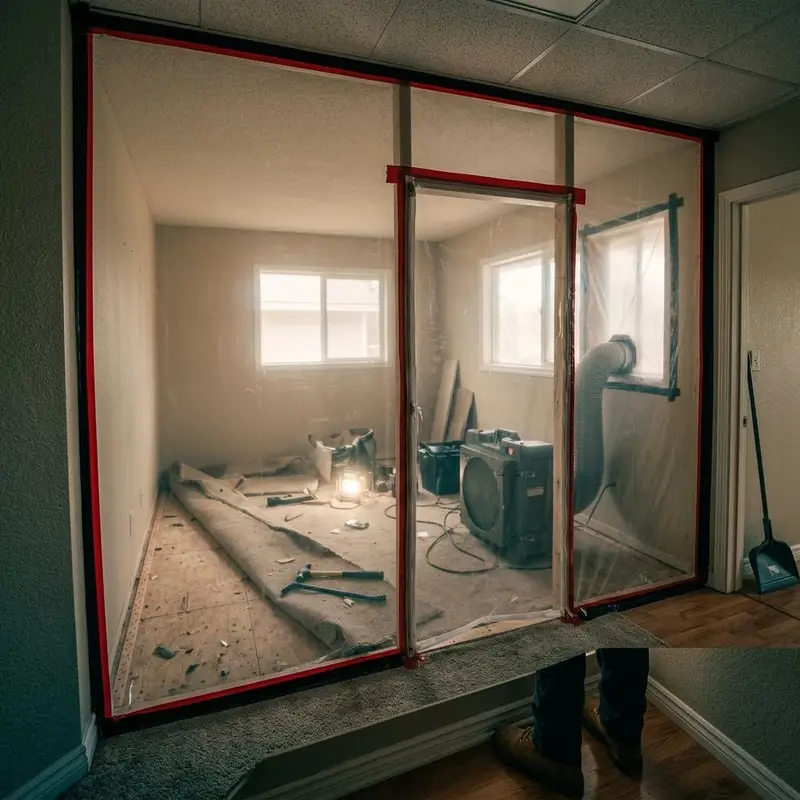
Mold spores become airborne during any disturbance. Before you start work, seal off the affected room with plastic sheeting and tape. Close doors and windows, and turn off forced-air HVAC systems to prevent spores from traveling to other parts of the building. Wear a N95 mask, gloves, and eye protection if you are handling the material yourself. For larger jobs, professional crews use negative air machines and HEPA filters to keep the air clean. Tenants with respiratory conditions or allergies should stay out of the area until the work is finished and the air quality is restored.
6. Remove Contaminated Materials Properly
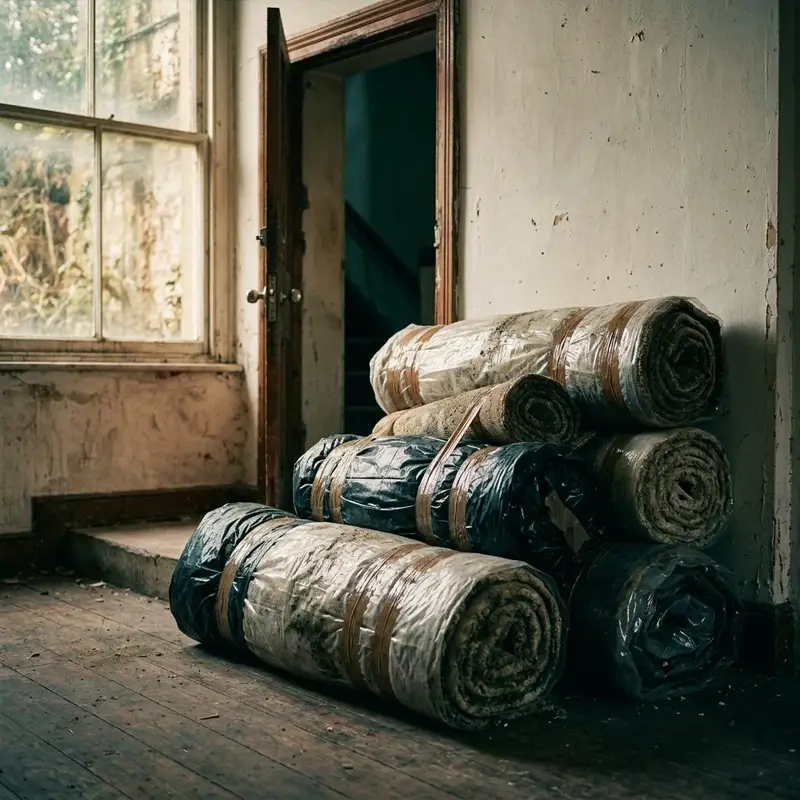
Once you decide to replace the carpet, remove it in sections to minimize dust. Bag the old carpet and padding in heavy-duty plastic bags, seal them, and dispose of them according to local waste guidelines. Do not drag the contaminated carpet through hallways or common areas, as this spreads mold particles. After removal, inspect the subfloor for signs of mold or moisture. If the subfloor is damp, it must be dried and treated before new carpet goes down. A professional restoration service can dry the structure and apply an antimicrobial primer to prevent regrowth. This step is often overlooked, but skipping it risks the new carpet growing mold within weeks.
7. Dry the Structure Thoroughly
Even after the carpet is gone, moisture can linger in the concrete slab, wood subfloor, or drywall. Use dehumidifiers, air movers, and sometimes heat to bring the moisture level below 15% for wood or below 4% for concrete before any new flooring is installed. Drying may take several days, depending on the severity of the leak. Patience here pays off. Installing new carpet over a damp subfloor is like sealing a sponge under a rug; the mold will return. Many landlords work with companies like Carpet Mold Removal Services Pros to manage this phase because they have industrial drying equipment and moisture meters that provide accurate readings.
8. Choose Mold-Resistant Flooring for Replacement
If the property has a history of moisture issues, consider alternatives to traditional carpet. Carpet tiles, vinyl plank, or luxury vinyl tile are less absorbent and easier to replace in sections. If you prefer carpet, select a low-pile, synthetic option with a moisture barrier backing. Avoid natural fibers like wool in basements or bathrooms, as they hold moisture longer. The goal is to reduce the chance of mold returning and to make future cleanups simpler. Carpet Mold Removal Services Pros can advise on which flooring types perform best in your region’s climate and in the specific rooms where mold has appeared.
9. Communicate Clearly with the Tenant
Throughout the process, keep the tenant informed. Explain what you found, what steps you are taking, and how long the work will take. If you need them to vacate the room temporarily, give clear instructions and a timeline. A tenant who feels heard and respected is more likely to cooperate and less likely to escalate a complaint. After the work is complete, provide a summary of what was done and any steps they can take to prevent future moisture, such as reporting leaks early and keeping the room ventilated. This builds trust and reduces future reports.
10. Follow Up and Monitor
Mold problems can recur if the underlying cause is not fully resolved. Schedule a follow-up inspection three to six months after the remediation. Check for any new musty odors, stains, or signs of moisture. If the same area shows trouble again, the original leak may not have been fixed, or the drying step may have been inadequate. Monitoring also helps you spot patterns: if multiple units in one building report mold, there may be a structural issue with drainage or ventilation that needs a larger solution. Regular maintenance checks, especially in humid seasons, catch small problems before they become expensive.
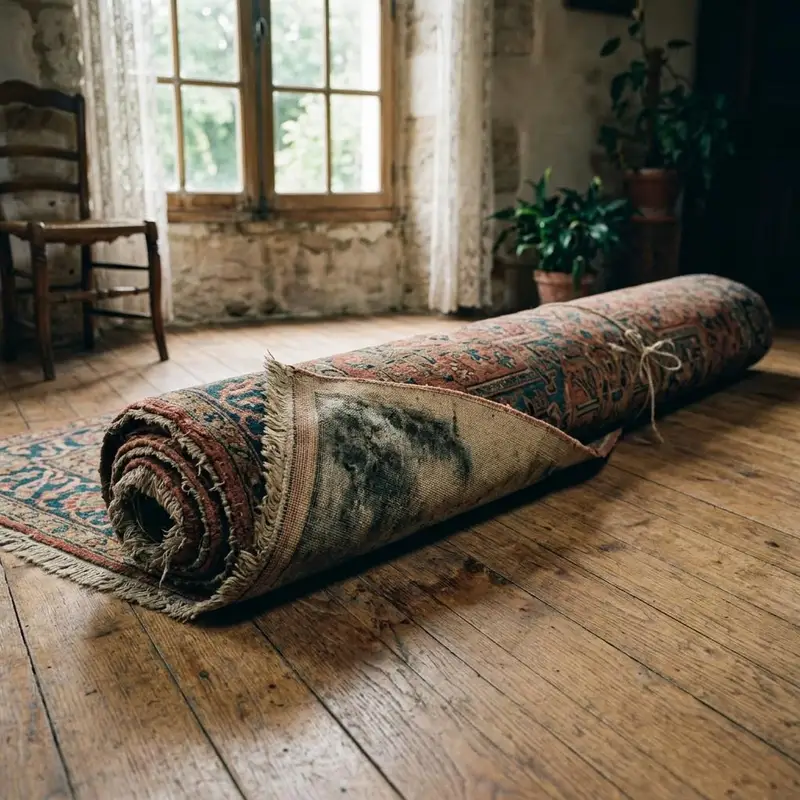
Responding to a moldy carpet report is not just about removing a stain. It is about identifying the moisture source, containing spores, drying the structure, and choosing the right replacement. Each step matters, and skipping one can lead to a bigger job later. For landlords managing multiple properties, having a consistent protocol saves time, money, and tenant frustration. Whether you handle the work yourself or call in specialists, the checklist above gives you a clear path from report to resolution. For more detailed guidance on the technical side of carpet mold removal, including drying methods and material disposal, you can browse resources like carpetmoldremovalservices.com to understand what professional restoration involves.